November 6, 2026
Choosing the right floor coating involves balancing durability, appearance, installation time, and long-term maintenance. While several options are available, polyaspartic coatings have gained attention for their ability to meet a variety of flooring needs. Compared with traditional choices like epoxy, they offer distinct advantages in performance, application, and design flexibility. Understanding these differences can help property owners make informed decisions when planning a flooring project.
Greater Durability and Strength
One of the primary advantages of polyaspartic floor coating systems is their resistance to everyday wear and tear. These coatings provide strong protection against abrasion, impacts, and heavy use, making them suitable for garages, warehouses, commercial facilities, and other high-traffic environments. Their flexibility also helps them accommodate minor movement and temperature-related changes without becoming as prone to cracking as some more rigid coating systems.
This durability can reduce the need for frequent repairs, touch-ups, and replacements. In commercial environments, a floor that maintains its condition under regular use can also help limit disruptions associated with maintenance. Residential property owners benefit from similar advantages, particularly in garages and other spaces exposed to vehicles, equipment, foot traffic, and everyday household activities.
Temperature fluctuations are another consideration when comparing flooring materials. Polyaspartic coatings can perform across a broad temperature range, making them a practical option for spaces exposed to seasonal changes. Their combination of flexibility and resistance to surface damage contributes to their growing popularity. According to Mordor Intelligence, polyaspartic products are projected to grow at a 5.52% CAGR through 2031, reflecting increasing interest in these flooring materials.
Faster Curing and Installation
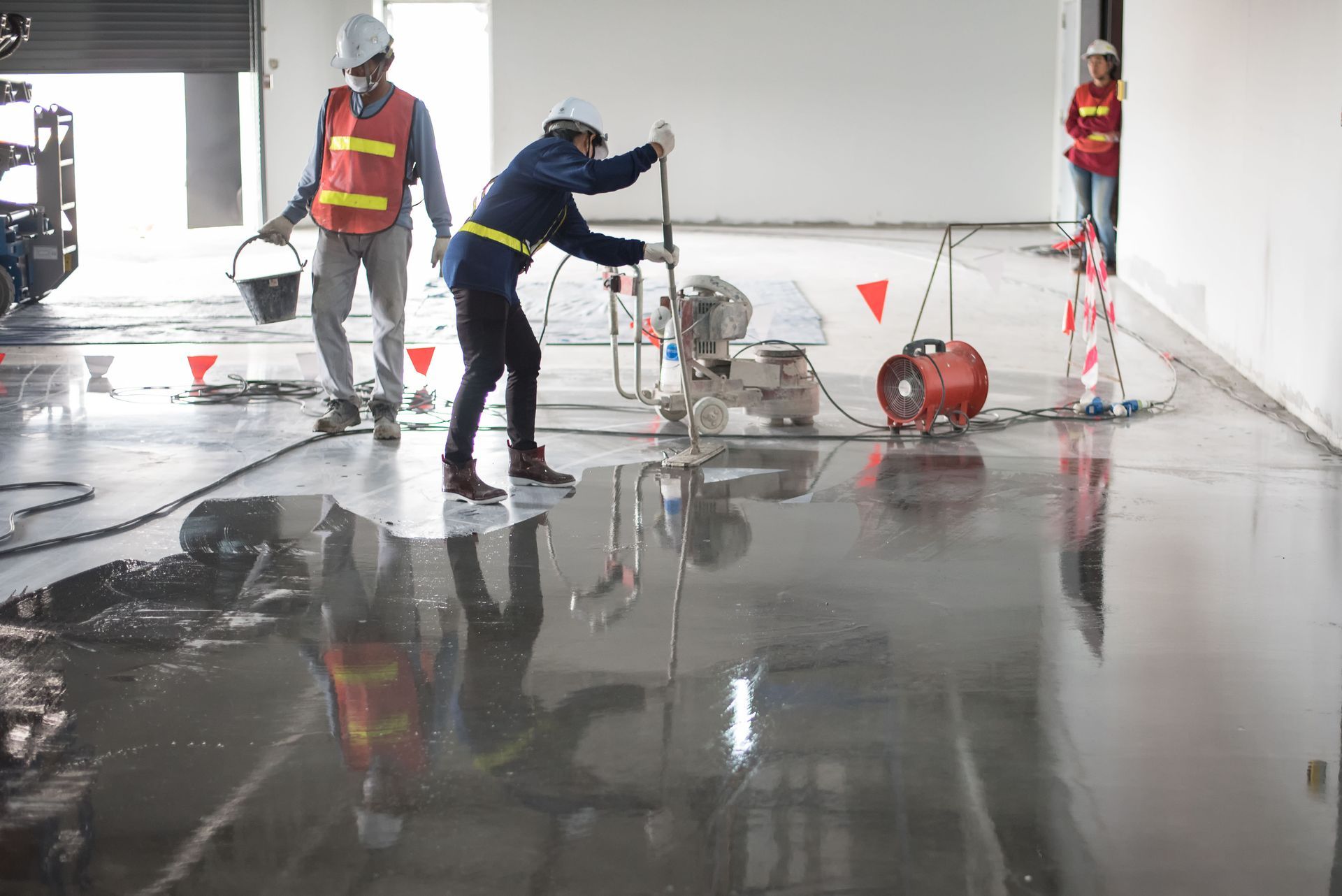
Installation time is another major difference between polyaspartic and traditional floor coatings. Epoxy systems often require extended curing periods before a floor can handle regular use. By comparison, many polyaspartic systems cure within hours, allowing property owners to return spaces to service sooner. This shorter turnaround can be especially valuable for businesses that depend on accessible work areas or homeowners who want to minimize disruptions during a garage renovation.
Application flexibility also contributes to the appeal of these coatings. Some traditional materials require specific temperature and moisture conditions to cure properly. Polyaspartic products generally offer a wider application window, allowing contractors to work under a broader range of environmental conditions. This can make scheduling projects easier, particularly when seasonal temperatures might otherwise delay installation.
For businesses, reduced downtime can help limit interruptions to daily operations. Homeowners also benefit from having their garages or other coated spaces available sooner. Although preparation and installation requirements vary by product and project, a polyaspartic floor coating can provide a relatively efficient alternative to systems with longer curing schedules.
Improved Appearance and Design Options
Floor coatings serve a practical purpose, but appearance also matters when updating residential or commercial spaces. Polyaspartic systems offer a variety of colors, finishes, and decorative options that allow property owners to customize their floors. Glossy finishes create a polished appearance, while other options provide a more understated look that complements different interior styles.
Another advantage is their resistance to ultraviolet (UV) exposure. Some traditional coatings can discolor or yellow when exposed to sunlight over time. Polyaspartic products generally offer better UV stability, helping finished floors retain their original appearance in areas exposed to natural light. This characteristic makes them worth considering for garages, patios, and other spaces where sunlight may reach the coated surface.
Decorative elements can also create distinctive flooring designs. Color flakes, quartz aggregates, and other materials can add texture and visual interest while contributing to the finished surface's overall appearance. Property owners can select combinations that complement surrounding finishes, whether they prefer a simple, consistent look or a more decorative design.
The ability to combine visual customization with functional protection makes polyaspartic floor coating systems appealing for a wide range of projects. Rather than choosing between an attractive surface and a durable one, property owners can explore finishes that address both priorities.
Better Environmental and Indoor Air Considerations
Environmental impact and indoor air quality are increasingly important factors in construction and renovation decisions. Some traditional floor coatings release volatile organic compounds (VOCs) during application and curing. Depending on the formulation, polyaspartic products may offer lower-VOC alternatives that can reduce certain emissions and support better indoor air conditions.
Product formulations vary, so property owners should review manufacturer specifications and safety information before selecting a coating. Proper ventilation and appropriate installation procedures remain important considerations regardless of the material being used. Choosing a product with suitable emissions characteristics can be particularly relevant for enclosed garages, commercial interiors, and other spaces where occupants spend considerable time.
Longevity also contributes to the environmental considerations surrounding floor coatings. A durable surface that requires fewer replacements can reduce material consumption and construction waste over time. Although no coating is entirely without environmental impact, evaluating its expected lifespan, maintenance requirements, and chemical composition can help property owners compare available options.
Long-Term Costs and Overall Value
Initial installation costs are an important part of any flooring decision. Polyaspartic systems may have a higher upfront price than some epoxy alternatives, depending on the product, surface condition, and project requirements. However, comparing materials solely by their initial cost does not account for the expenses associated with repairs, maintenance, and eventual replacement.
The durability of a polyaspartic floor coating can contribute to lower maintenance expenses over its useful life. Its resistance to abrasion and everyday wear may reduce the need for frequent repairs, particularly in spaces that experience regular vehicle or equipment traffic. Property owners can also benefit from shorter installation and curing periods, which may limit the amount of time a garage or commercial area remains unavailable.
Maintenance requirements still depend on how the floor is used and cared for. Regular cleaning, appropriate products, and attention to spills can help preserve the finished surface. Before choosing a system, property owners should consider the condition of the existing concrete, the intended use of the space, and the expected maintenance schedule.
Looking at these factors together provides a clearer picture of overall value. While a lower-cost coating may seem attractive initially, its long-term performance and maintenance needs should also influence the decision. Comparing complete project estimates can help determine which flooring system makes the most sense for a particular property. The long-term value of polyaspartic floor coating installation can make the initial investment worth considering.
Greater Versatility Across Different Spaces
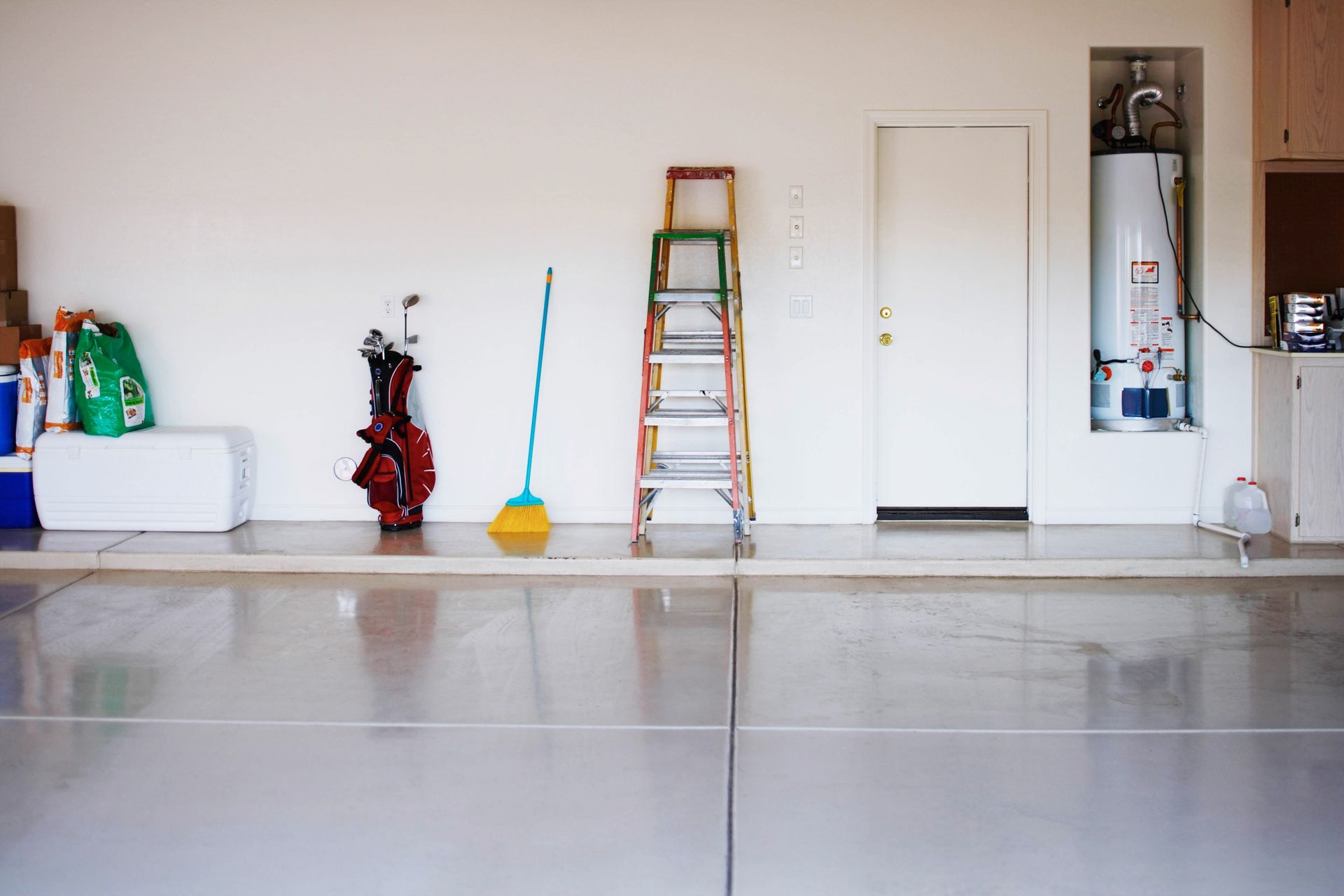
Another distinguishing characteristic of polyaspartic coatings is their versatility. They can be used in residential, commercial, and industrial environments, provided the selected product is appropriate for the application. Garages are a common example because their floors must withstand vehicle traffic, tire marks, spills, and changing temperatures. A properly installed coating can provide a more finished appearance while protecting the underlying concrete from everyday exposure.
Commercial facilities also have varied flooring requirements. Retail stores, warehouses, workshops, and other businesses may need surfaces that accommodate foot traffic, equipment, and routine cleaning. The combination of durability and relatively quick curing makes polyaspartic systems worth considering for projects where extended closures are inconvenient.
These coatings can also be used in selected outdoor and interior applications. Patios and other exterior surfaces may benefit from decorative finishes and UV resistance, while interior spaces can take advantage of the available colors and textures. However, surface preparation, moisture conditions, and product compatibility must be evaluated before installation.
Because every property has different requirements, selecting the right coating involves more than comparing product features. The condition of the concrete, expected traffic, exposure to sunlight, and intended appearance all influence which system is appropriate. Evaluating these details helps property owners identify whether a polyaspartic floor coating aligns with the demands of their space.
Property owners considering a garage floor upgrade should compare available materials, review installation requirements, and consider how the finished surface will be used. Garage Guru can help homeowners explore flooring options and determine whether a polyaspartic system is appropriate for their space. Contact Garage Guru to discuss a garage flooring project and learn more about available coating solutions.