April 16, 2026
Epoxy flooring is known for its durability, glossy finish, and versatility, making it a top choice for homeowners and commercial property owners alike. Proper care is essential to keep these floors looking their best and performing well over time. With the right cleaning routines, preventive measures, and timely repairs, property owners can significantly extend the lifespan of their epoxy flooring. Whether you’re protecting your garage, workshop, or retail space, understanding maintenance strategies helps preserve both aesthetics and functionality. Beyond its visual appeal, maintaining epoxy flooring also safeguards your investment, ensuring the surface can withstand daily wear and occasional accidents without losing its charm or performance.
Understanding Epoxy Flooring and Its Benefits
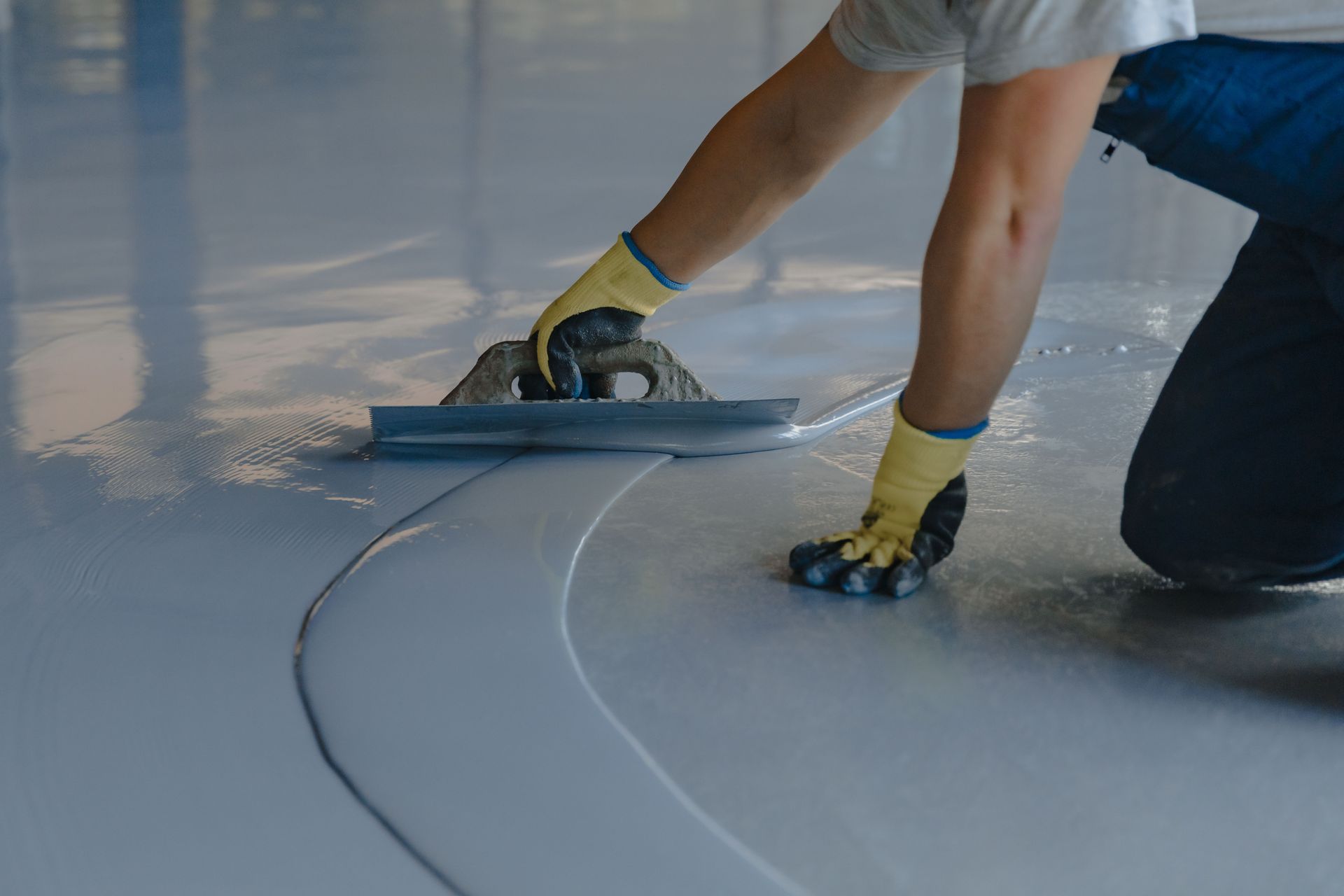
Epoxy flooring is formed by combining resin with a hardener, creating a seamless, durable surface that bonds exceptionally well to concrete. This composition makes it resistant to abrasions, chemical spills, and general wear, which is why it’s often chosen for both high-traffic residential areas and industrial settings. Its non-porous finish simplifies cleaning, while its glossy surface enhances the overall look of any space. Additionally, epoxy flooring can be customized with colors, patterns, or textures, allowing property owners to match their design preferences without compromising durability. Another benefit is its ability to improve safety—many epoxy floors can be enhanced with anti-slip textures or coatings, reducing the risk of accidents in garages, workshops, and commercial spaces. These combined advantages make epoxy flooring not only a functional choice but also a long-term, visually appealing solution.
Choosing the Right Epoxy Flooring and Understanding Its Applications
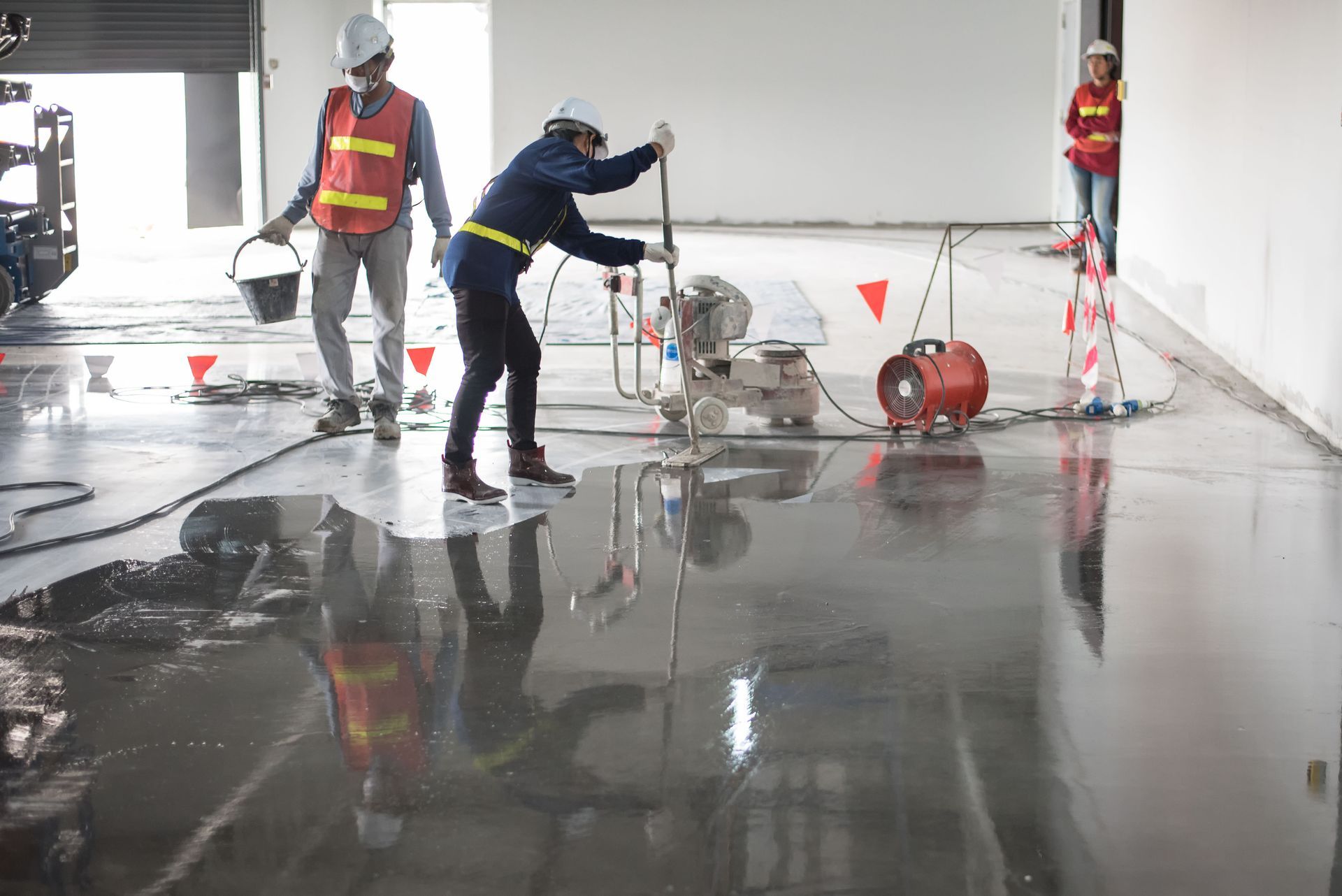
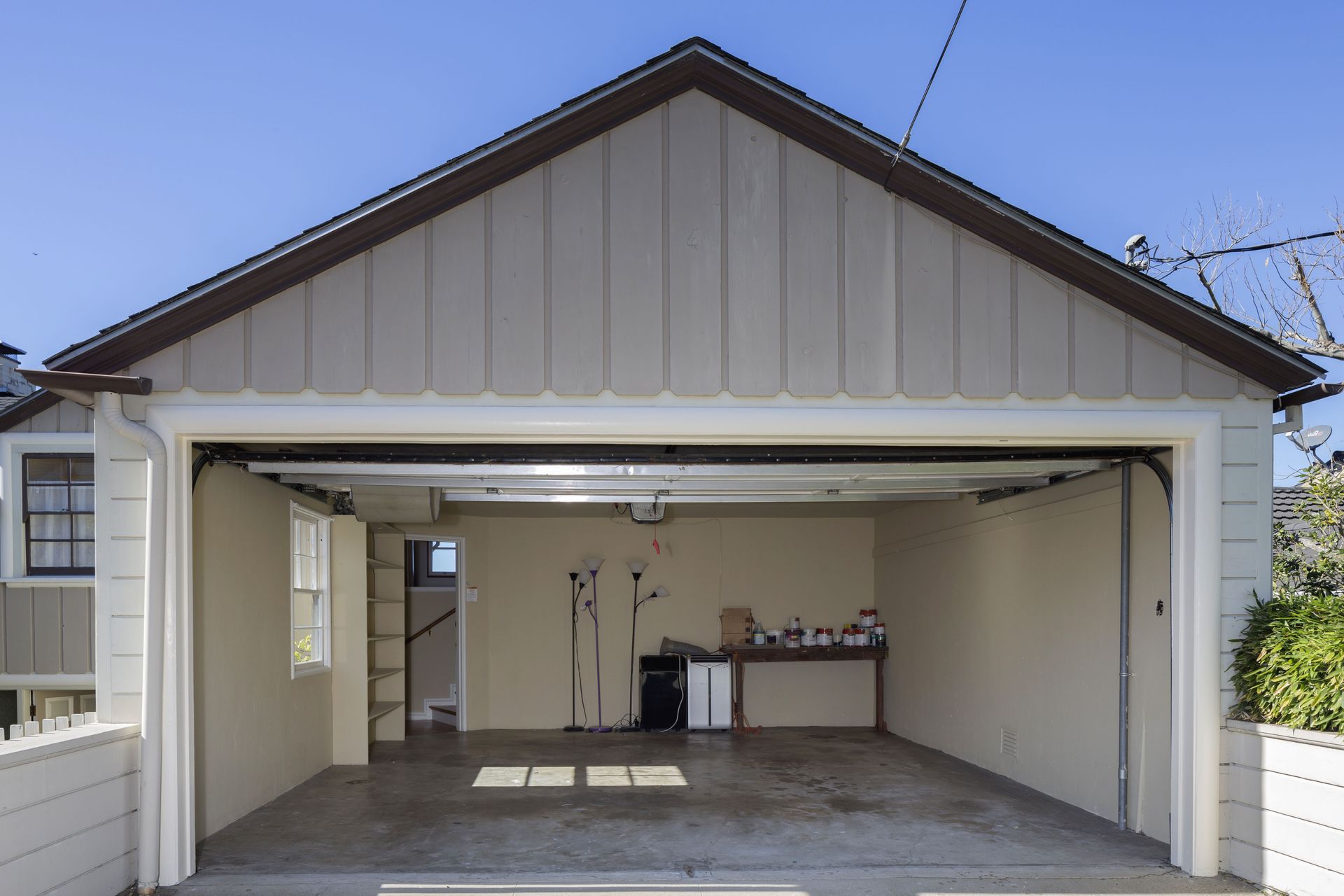
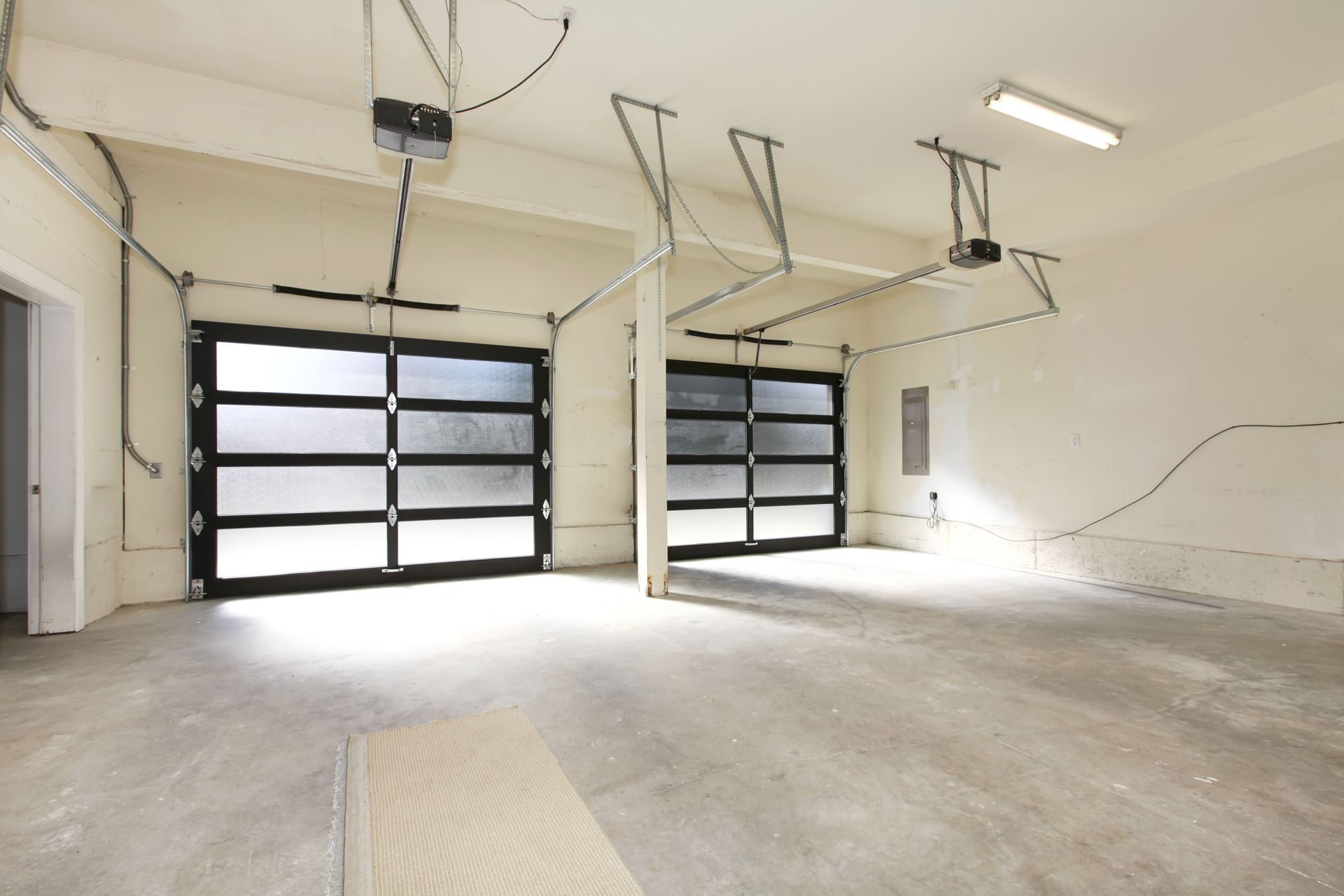
There are several types of epoxy flooring, each suited for different environments. Self-leveling epoxy creates a smooth, professional finish ideal for kitchens, basements, or offices, while mortar epoxy provides exceptional strength for industrial or heavy-duty applications. Decorative options like graveled or colored epoxy allow for design flexibility, giving property owners the ability to achieve both style and performance. Epoxy’s versatility extends to numerous environments. According to Fortune Business Insights, garages represent one of several key commercial and industrial spaces where epoxy is frequently applied over concrete to create a highly durable and glossy floor surface. Beyond garages, epoxy floors are commonly found in warehouses, laboratories, retail outlets, and commercial kitchens because of their resistance to chemicals, moisture, and heavy traffic. Understanding the right type of epoxy and its best applications helps ensure maximum longevity and utility. Choosing the wrong type for the wrong environment can result in faster wear, so matching epoxy characteristics to usage patterns is key.
Cleaning and Maintaining Epoxy Flooring Daily and Weekly
Daily care plays a critical role in preserving epoxy flooring. Sweeping or dust-mopping removes debris that could scratch the surface, while prompt attention to spills prevents staining and maintains the glossy finish. Using pH-neutral cleaners ensures the epoxy surface is not damaged, and microfiber mops or soft cloths minimize the risk of surface abrasions. Weekly deep cleaning involves more thorough scrubbing with mild detergents and warm water, often using a soft-bristle brush for stubborn dirt. Rinsing and drying thoroughly prevents residue buildup, water spots, and dulling. One practical tip is to use entryway mats to reduce tracked-in dirt, which decreases the need for aggressive cleaning. Additionally, taking a few minutes each week to inspect for scratches or chips helps catch minor issues before they become larger problems, keeping the floor in top condition.
Implementing Preventive Measures and Protecting Surfaces
Protective measures can dramatically reduce wear and tear on epoxy flooring. Placing floor mats in high-traffic areas prevents dirt, moisture, and debris from being tracked across the floor, while furniture pads and rubber wheels minimize the impact of heavy objects. Avoiding chemical spills and promptly cleaning any that occur preserves the protective layer and prevents discoloration. Moisture control is another essential aspect, as water infiltration beneath the epoxy can compromise its adhesion and lead to bubbling or peeling. Maintaining proper ventilation and humidity levels in garages, basements, or commercial spaces ensures the floor remains stable. Additionally, establishing clear traffic pathways in commercial or industrial areas reduces unnecessary friction on the flooring and minimizes accidental impacts from equipment. These preventive steps not only preserve aesthetics but also make long-term maintenance easier and more predictable.
Repairing, Refinishing, and Recoating Epoxy Flooring
Even well-maintained epoxy floors can experience minor damage over time. Recognizing scratches, chips, or dull areas early allows for simple touch-ups using an epoxy repair kit, which typically includes resin and hardener. For deeper damage, filling with a patching compound and sanding smooth can restore the surface. When widespread wear occurs or the protective layer thins, recoating may be necessary to restore both appearance and durability. Professional refinishing options are ideal for extensive damage, involving stripping the old layer, repairing underlying issues, and applying a new epoxy coating. For homeowners, a small DIY repair kit is usually sufficient for scratches in garages or basements, but commercial property managers should consider professional services for heavily trafficked areas. Prompt repairs prevent minor imperfections from worsening and ensure that epoxy flooring remains functional, safe, and visually appealing.
Enhancing Durability With Additives and Coatings
Additives and coatings are an effective way to boost epoxy flooring’s performance. Anti-slip agents increase traction in wet or high-traffic areas, reducing the risk of accidents, while UV-resistant coatings prevent discoloration and degradation from sunlight exposure. Chemical-resistant enhancements are essential for spaces that frequently encounter harsh substances, such as commercial kitchens, laboratories, or industrial workshops. Aesthetic additives like pigments or metallic finishes allow for customization without sacrificing functionality. By carefully selecting and combining these additives, property owners can create epoxy flooring that is both beautiful and resilient, tailored to the unique demands of their space. Even in residential garages, a UV-resistant topcoat can prevent fading near large windows or open garage doors, extending the life and vibrancy of the floor.
Developing Long-term Maintenance Strategies
Long-term maintenance is the cornerstone of preserving epoxy flooring. Scheduling regular cleaning, inspections, and minor repairs ensures the surface remains functional and visually appealing. Budgeting for maintenance, including supplies and professional services, helps prevent unexpected costs and allows for proactive care. Training staff on proper cleaning methods, handling of heavy equipment, and spill response ensures consistency and protects the flooring from accidental damage. Leveraging technology, such as monitoring foot traffic, humidity, or temperature, can provide insights into areas that require additional care. Adjusting cleaning schedules seasonally, such as increasing frequency during rainy months or high-traffic periods, helps maintain optimal performance. By combining routine maintenance with proactive planning, property owners can maximize the life and appearance of their epoxy flooring.
Maintaining and extending the life of epoxy flooring requires understanding its properties, implementing consistent daily and weekly cleaning routines, protecting surfaces from heavy loads, moisture, and chemical exposure, repairing damage promptly, and enhancing durability with additives or protective coatings. A well-structured long-term maintenance plan ensures the floor remains functional, safe, and visually appealing while minimizing the risk of costly repairs or premature wear.
By following these strategies, property owners can preserve the flooring’s glossy finish, structural integrity, and overall performance for years to come. Regular inspections, timely touch-ups, and seasonal adjustments further help maintain the floor’s resilience in high-traffic or demanding environments. With careful attention and proactive care, you can enjoy the full benefits of your epoxy flooring for years, keeping it both beautiful and durable. Read this guide and maintain your epoxy flooring confidently with Garage Guru.