February 6, 2026
A well-organized garage can really change the game for homeowners. Not only does it give you more space and make your life easier, but it can even add value to your home. Did you know that, according to reports from Market Research Future, the garage organization storage market is expected to grow to $27.46 billion by 2034? With some simple planning and support from local garage organization experts, your garage can become a well-organized hub for tools, outdoor gear, and all the things you need to get things done. Here's how you can make the most of your garage space.
1. Understand Your Garage Space and Layout
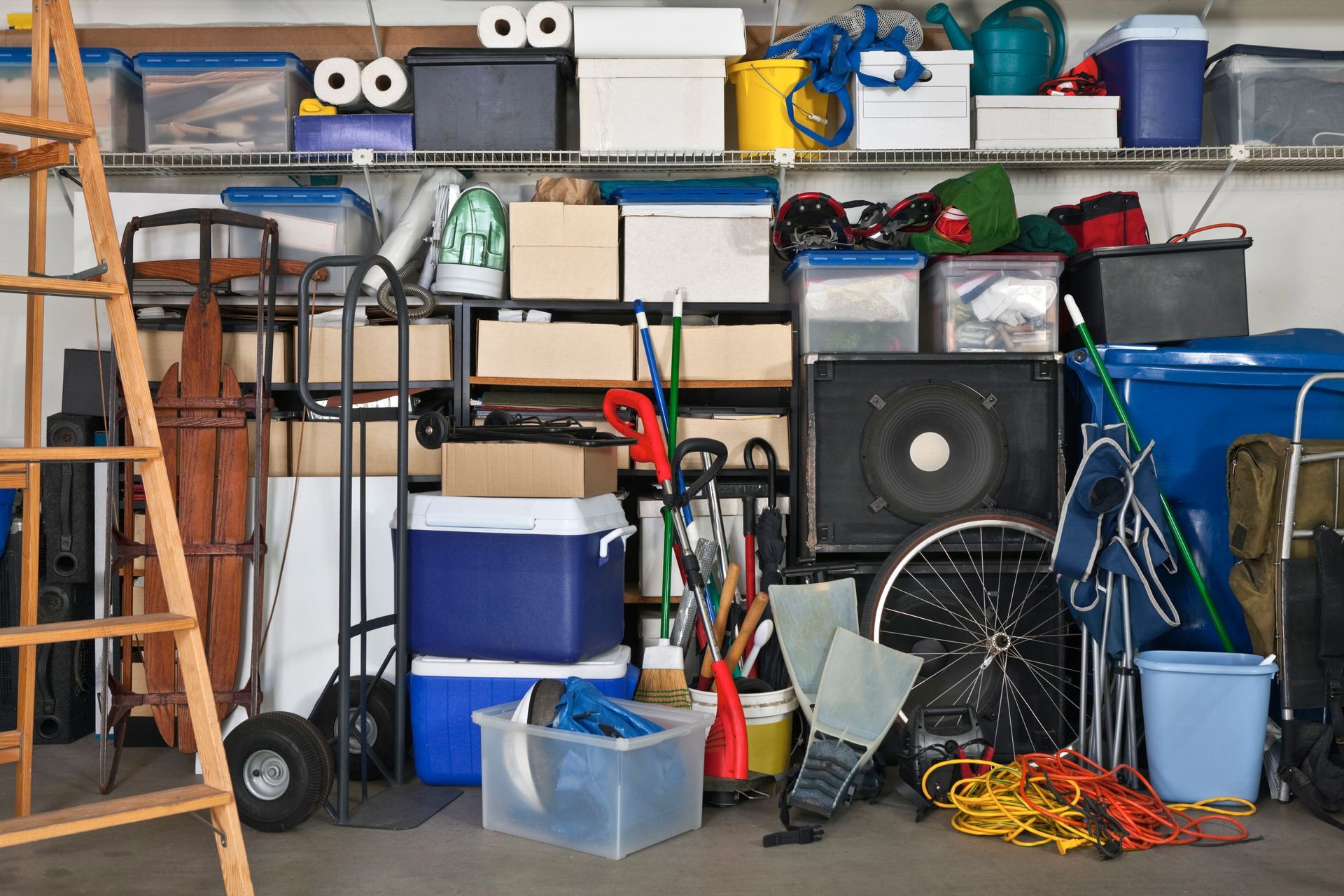
Before diving into a garage reorganization, it is critical to understand the current condition and dimensions of your space. Begin by thoroughly measuring the garage area and evaluating its structural elements, such as door and window placements. Take note of existing clutter and envision areas needing improvement, gathering items into categories to visualize space usage. This preliminary step is fundamental in forming a blueprint for your garage transformation, ensuring each subsequent step is tailored to your specific needs. It also sets a realistic framework for enhancing both accessibility and function.
Creating distinct zones within your garage is the next vital step, designed to cater to various activities or storage needs. Functional zones can delineate areas for gardening equipment, automotive tools, sports gear, and more. By defining these spaces, homeowners can streamline activities and minimize cross-contamination between different storage categories. Utilizing dividers, rugs, or color-coded systems can effectively delineate these zones, providing a clear structure to the garage layout. This approach underscores logical organization, facilitating easy retrieval and return of items to their designated spots.
2. Create an Accessibility Strategy
An efficient garage layout is predicated not only on functionality but also on optimal accessibility. This involves strategically placing frequently used items at eye level or within arm's reach, ensuring quick and easy access. Conversely, less commonly used items can be stored in less accessible areas, such as higher shelves or lower cabinets. Innovative solutions like sliding drawers or pull-down racks further enhance ease of access, eliminating the need for cumbersome reaching or bending. The priority here is eliminating barriers to access, promoting a seamless user experience.
Proper measurement is essential in selecting and installing shelving and storage solutions that maximize your garage's potential. Prioritize utilizing vertical space with tall shelving units to free up valuable floor space. Measuring correctly avoids over-purchasing materials or selecting shelving systems that are poorly fitting and obstructive. Opt for adjustable or modular shelving options, allowing adaptability in response to changing storage needs over time. Proper measurement lays the groundwork for a cohesive and adaptable storage system, preventing disorganization from creeping back in.
Envisioning the future use of your garage is an essential aspect of long-term planning. As lifestyles change—be it through expanding family size or new hobbies—your garage must accommodate these shifts with minimal disruption. This involves incorporating versatile design elements that can easily be modified or expanded. The implementation of modular systems and flexible storage options ensure readiness for future modifications. Forward-thinking planning supports seamless transitions and continued optimal usage of your garage space, preventing the need for complete overhauls in response to life changes.
3. Maximize Vertical Storage
Installing shelving systems is a pivotal step in maximizing vertical storage, effectively leveraging unused space. Shelves can be tailored to fit any height or width, accommodating a variety of items from large bins to smaller tools. Consideration should be given to weight capacity and material durability to ensure longevity. Adjustable shelving is particularly beneficial, providing flexibility for storage needs that evolve over time. A well-executed shelving system not only optimizes storage but also presents a tidy appearance, enhancing overall aesthetic quality.
Overhead storage solutions provide an ideal option for stowing away seasonal or infrequently used items. Mounted racks or lofted storage units capitalize on ceiling space, preserving floor space for active tasks. Such systems demand secure installation to ensure safety, especially under the weight of hefty storage bins. Having the ability to stow belongings out of immediate eyesight curbs visual clutter, cultivating a pleasant and navigable environment. With proper installation and usage, overhead options transform underutilized space into a functional storage domain.
4. Implement Efficient Floor Storage
Optimized use of floor space is critical in maintaining accessibility and functionality. Designating specific zones for floor storage acknowledges the importance of clear pathways and unimpeded movement. Avoid overstacking or clustering to prevent clutter accumulation and potential obstacles. This method focuses on preserving an open, navigable environment, reinforcing a sense of tranquility and usability. Operative floor usage underscores methodical planning, embedding stability amid frequent garage activities.
Incorporating storage cabinets and drawers provides organized hideaways for tools, lubricants, and more. Built-ins maximize all available space without overwhelming the floor, yielding balance. Freestanding units offer flexibility, permitting relocation or reconfiguration as necessary. Cabinets equipped with drawers enhance storage versatility, accommodating varied sizes and types. This discreet storage complements overall organization, allocating a home for everything within the garage environment.
Rolling carts embody mobility and utility in the context of dynamic garage use. Housing frequently accessed items on a cart enables flexibility and adaptation to situational tasks. Rolling carts also impose organizational discipline, as items must fit within distinct perimeters. Such a setup aids task efficiency and minimizes transport time for necessary tools. This balance of order and accessibility exemplifies a clutter-free and functional environment, supporting broader organizational objectives.
Tool chests offer compact storage solutions for varied maintenance tools, enhancing preservation and accessibility. Strategically utilizing drawers and compartments streamlines tool storage into a coherent system. Investing in well-insulated and secure tool chests ensures protection against environmental factors. This facilitates easy retrieval and placement, promoting a methodical approach to task completion. The role of tool chests extends beyond organization to symbolize readiness and capability, critical in maintaining a proactive garage atmosphere.
Designated spots for larger items prevent obstructions and establish spatial balance. Dedicated zones for bulky equipment, like bicycles or lawn mowers, preserve valuable floor space without clumping. It also reduces area interference while maintaining accessibility for larger equipment needs. Such allocation prevents competition between items, diminishing potential workspace conflicts. Recognizing the necessity for spacious, designated areas ensures clarity and harmonious garage usability.
5. Plan to Maintain Long-term Organization
Regularly scheduled decluttering sessions prevent regressions into disorganization, reinforcing discipline and accountability. Such sessions offer opportunities to reevaluate stored items, determining ongoing relevance or redundancy. Developing a systemized arrangement curtails haphazard storage practices and encourages consistent tidiness. Scheduled intervals signify commitment to a maintained state of organizational excellence. Embracing routines facilitates long-term success, embedding a culture of organized space utilization.
Implementing a seasonal rotation system ensures that stored items align with current uses and accessibility needs. This flexible approach elevates organizational efficiency, mitigating the effort involved in unnecessary rummaging. As seasonal demands shift, reorganizing items into visually accessible positions responds to dynamic conditions. This adaptability sustains the organization while seamlessly accommodating diverse requirements. An effective seasonal rotation anticipates change, establishing lasting alignment between usage and storage.
By implementing these essential
garage organization tips, homeowners can revolutionize their garages into functional and efficient spaces. Whether for storage or hobbies, a well-organized garage increases home comfort and usability. Embracing innovation and practicality transforms the garage from a sporadic clutter zone into a harmonious storage solution. To learn more about how to optimize your space, contact Garage Guru today.