April 8, 2026
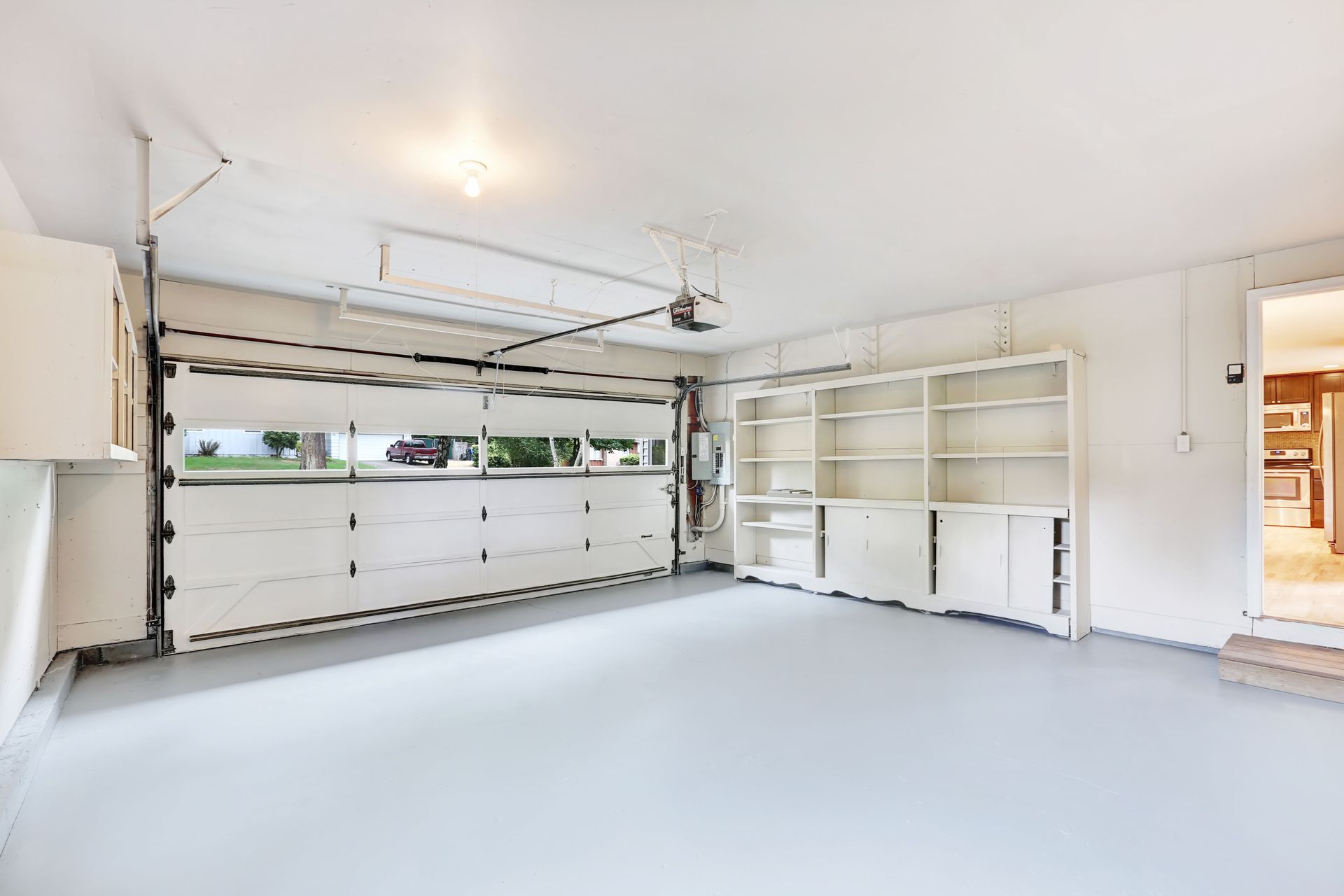
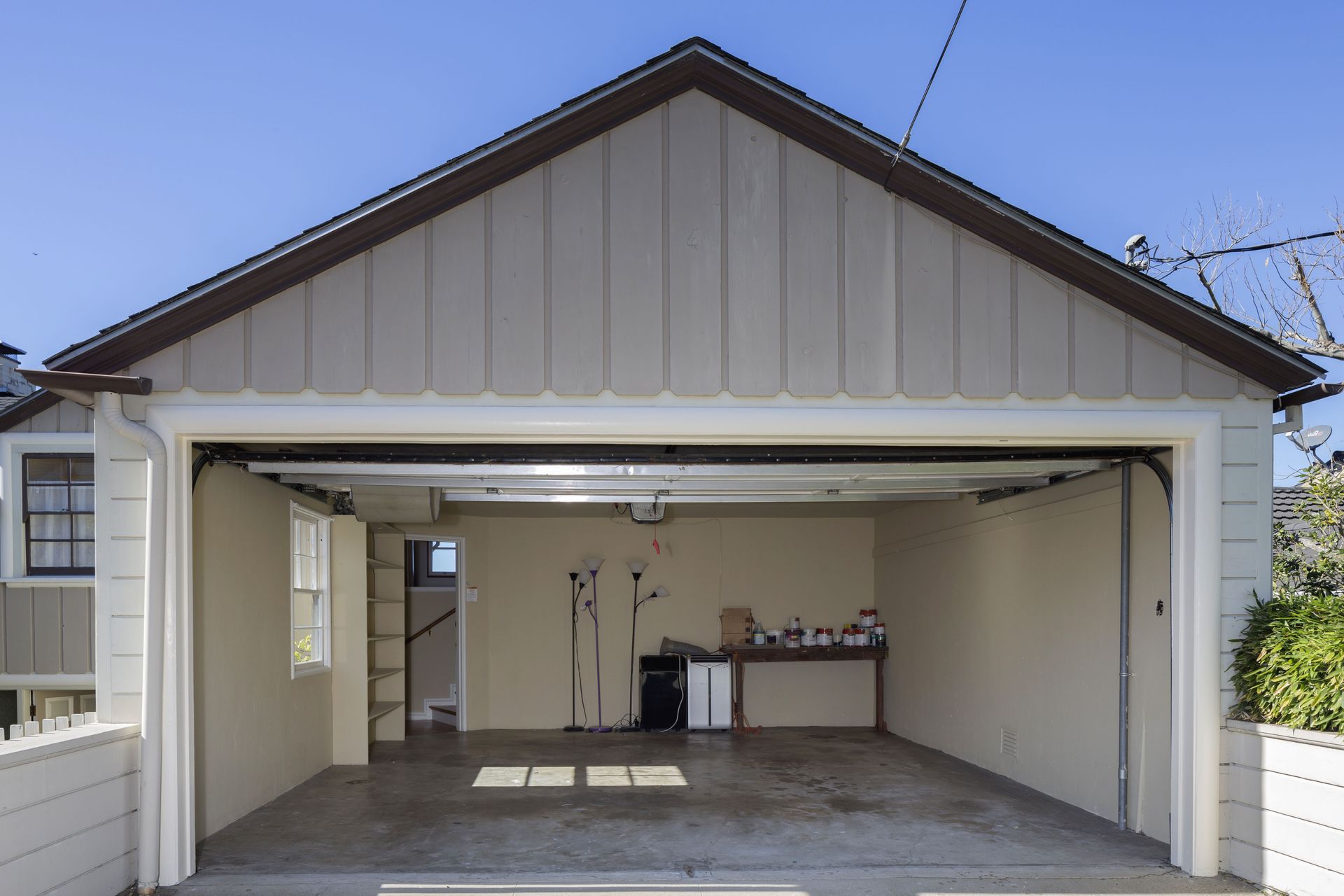
Maximizing garage storage capacity requires strategic planning about how to utilize available space most effectively, and the choice between wall-mounted and overhead systems significantly impacts functionality, accessibility, and overall organization. Most garages contain vast amounts of underutilized vertical space that could accommodate the seasonal items, recreational equipment, and household goods that currently clutter floor areas and prevent vehicle parking. Understanding the advantages and limitations of different storage approaches helps homeowners make informed decisions that match their specific needs, garage configurations, and the types of items they need to store. Neither wall-mounted nor overhead storage represents a universally superior solution, as each offers distinct benefits and drawbacks that make them more or less suitable for different situations and storage requirements. Evaluating these options carefully based on your particular circumstances ensures you invest in solutions that truly improve your garage's functionality rather than creating new problems or limiting future flexibility.
Accessibility and Frequency of Use Considerations
According to HBS Dealer, 76% of homeowners surveyed say the garage can be the most productive part of the house. Wall-mounted garage storage systems excel when you need regular access to stored items, as they place everything within easy reach at comfortable working heights. These systems work particularly well for frequently used tools, sporting equipment, gardening supplies, and other items that you retrieve and return regularly throughout the week. Overhead storage, conversely, suits items accessed occasionally, like holiday decorations, seasonal camping gear, or long-term storage boxes that you only need a few times per year. The height at which overhead systems are installed requires step stools or ladders for access, making them impractical for items you use frequently but ideal for maximizing storage capacity for seasonal belongings.
Weight Capacity and Load Distribution
Professional garage storage systems vary dramatically in their weight-bearing capabilities, with wall-mounted options generally offering lower capacity than well-designed overhead racks. Wall-mounted shelving and hooks distribute weight across studs and wall surfaces, typically supporting several hundred pounds depending on installation quality and stud spacing. Overhead racks can support much heavier loads, often 600 pounds or more, when properly installed into ceiling joists, making them suitable for heavy items like bins full of camping equipment or multiple kayaks. However, weight must be distributed evenly across overhead platforms to prevent sagging or failure, while wall systems allow more flexibility in loading individual shelves or hooks independently without concern for overall platform balance.
Space Efficiency and Floor Clearance
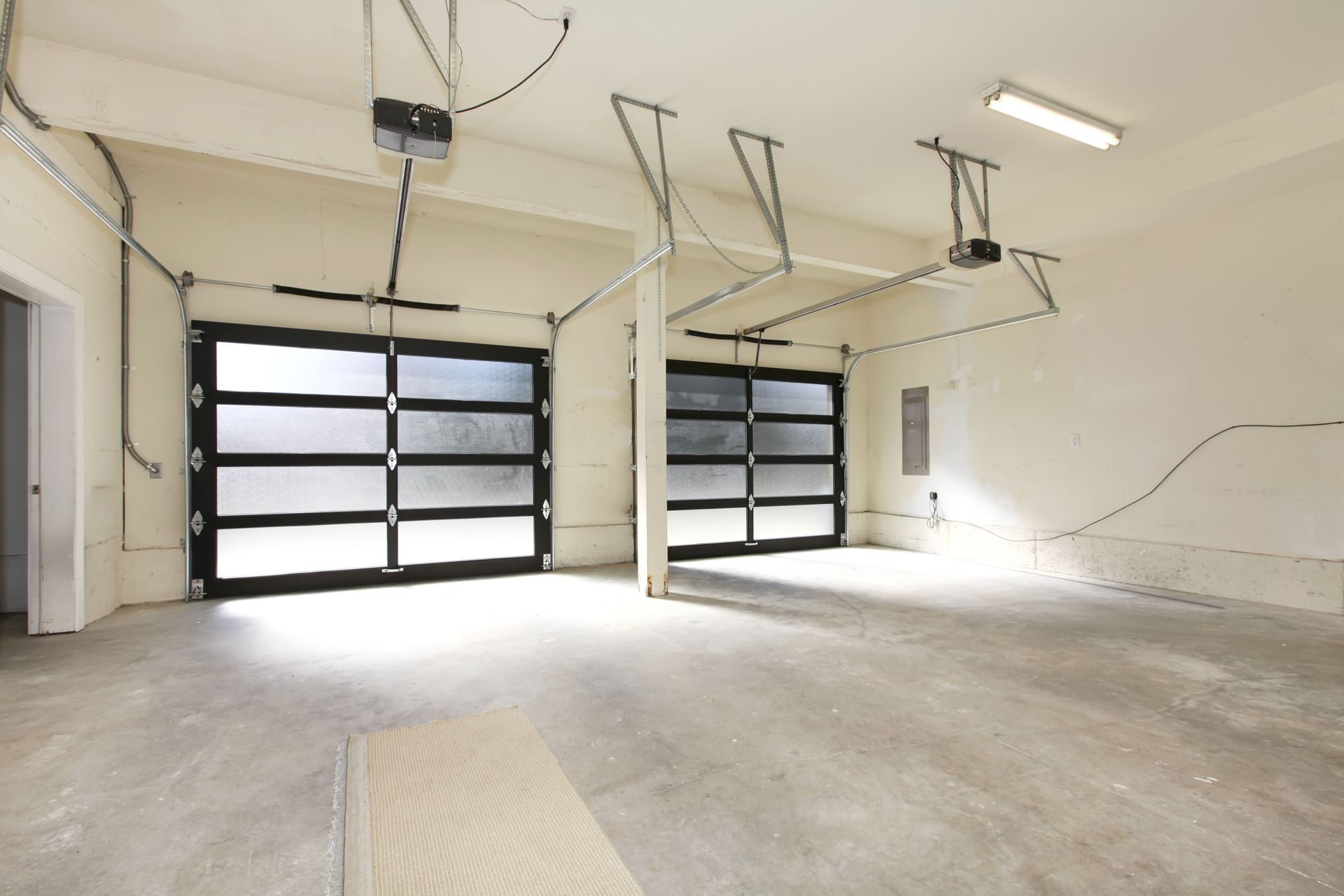
Overhead storage excels at preserving floor space and wall areas that you might want to use for workbenches, parking, or other purposes that require vertical clearance. These ceiling-mounted systems keep items completely out of the way above head height, maintaining open space below for parking vehicles, setting up workstations, or moving large items through the garage. Wall-mounted garage storage systems consume vertical wall space that could alternatively accommodate pegboards, tool cabinets, or other organizational solutions at convenient working heights. The choice between systems often depends on whether you value floor space more highly than wall space and whether ceiling height allows overhead storage while maintaining adequate clearance for vehicles, garage doors, and comfortable movement throughout the space.
Installation Complexity and Structural Requirements
Wall-mounted storage installation is generally more straightforward because studs are easier to locate and access than ceiling joists, though both systems require proper attachment to structural members. Most homeowners with basic tools can install wall shelving and hook systems themselves, while overhead installations often benefit from professional installation to ensure proper support and safety. Ceiling joists may not align conveniently with desired storage locations, potentially requiring additional framing or creative layout solutions to achieve proper support. Both garage storage systems require careful attention to installation quality, as failures can damage stored items, vehicles, or injure people below, making professional installation a wise investment for expensive or complex systems, regardless of mounting location.
Flexibility and Reconfiguration Potential
Wall-mounted systems typically offer greater flexibility for reconfiguration as your storage needs evolve, since moving hooks, shelves, or cabinets to different wall locations is relatively simple. Many wall systems use adjustable tracks or modular components designed for easy repositioning without replacing entire systems when you want to reorganize or accommodate different items. Overhead storage platforms are more permanent installations that cannot be easily moved once installed, as they require specific ceiling joist locations for proper support and safety. This permanence makes overhead systems less adaptable to changing needs, though their capacity to store large quantities of infrequently accessed items often means reorganization is less necessary than with wall-mounted garage storage systems that handle everyday items requiring more frequent rearrangement.
Cost Considerations and Budget Impact
Wall-mounted storage solutions span an enormous price range, from inexpensive pegboard systems costing under $100 to premium cabinet systems costing thousands of dollars for complete garage outfits. Overhead platforms similarly vary in cost based on size, weight capacity, and quality, with basic systems starting around $100 and heavy-duty commercial units exceeding $500 or more. Installation costs also differ, with wall-mounted systems generally requiring less labor and expertise than overhead installations that demand precise measurements and secure ceiling attachment. When comparing garage storage systems, consider both initial investment and long-term value, as higher-quality systems offer better durability, capacity, and flexibility that justify premium pricing through years of reliable service.
Safety Concerns and Risk Management
Overhead storage creates inherent safety concerns because stored items are positioned above head height, where falling objects can cause serious injuries. Properly installed systems with appropriate weight distribution minimize these risks, but overloading or improper installation creates dangerous situations where heavy items could fall. Wall-mounted storage poses fewer overhead hazards but can create tripping hazards if items protrude into walkways or if shelves are mounted too low in areas where people move through the garage. Both garage storage systems require careful attention to weight limits, proper installation, and sensible loading practices that prevent accidents and ensure stored items remain secure during normal garage activities and vehicle movement.
Aesthetic Impact and Visual Organization
Wall-mounted systems create more visual impact because stored items remain visible at eye level, which can either enhance or detract from the garage's appearance, depending on how neatly items are organized. Open shelving displays your belongings prominently, making it easy to see what you have but also showing any organizational shortcomings or clutter. Overhead storage keeps items out of sight above normal sight lines, creating cleaner visual spaces below, even if the items stored above are somewhat disorganized. The aesthetic choice between systems depends on whether you prefer everything visible and accessible or would rather maximize visible open space by concealing stored items overhead where they don't impact the garage's appearance from normal viewing angles.
The choice between wall-mounted and overhead garage storage systems depends on your specific needs regarding accessibility, weight capacity, available space, and the types of items you need to organize. Neither approach is universally superior, and many homeowners benefit from combining both systems to take advantage of their respective strengths for different storage requirements. Careful evaluation of your particular situation, garage configuration, and storage priorities helps you invest in solutions that truly enhance functionality rather than creating new limitations or complications. Whether you need garage cabinets and storage or residential and commercial floor coatings, Garage Guru provides comprehensive solutions backed by a lifetime warranty, offers free estimates, and is fully insured. For more information, contact us today!